
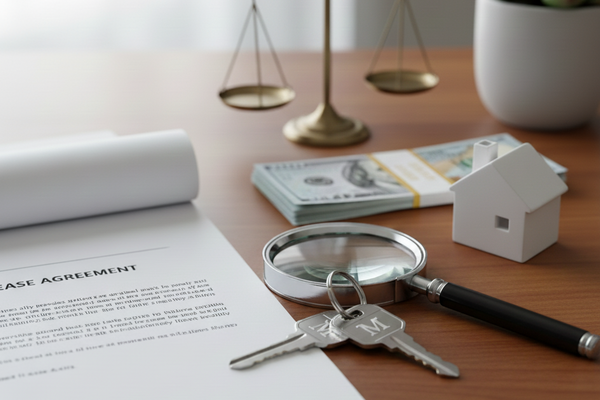
What is a security deposit, and why does it matter? If you’re renting property in Massachusetts, understanding this is essential. This upfront payment protects both landlords and tenants. However, mishandling it can lead to costly disputes. Many people lose money simply because they don’t know the rules. This guide will help you protect your money in 2026.
Understanding Security Deposits
A security deposit is the amount the tenant pays before moving in. The landlord holds this money throughout the tenancy. It protects against unpaid rent or property damage. Under the security deposit law, landlords cannot use this money for anything other than the deposit.
The deposit typically equals one month’s rent. Landlords cannot demand more than this amount. The money remains the tenant’s property even though the landlord holds it.
Massachusetts Security Deposit Requirements
Within 30 days, landlords must provide a detailed receipt. This includes the bank name, account number, and deposit amount. Landlords must also furnish a statement of condition within 10 days of tenancy start.
Hence, this law is among the strictest in the nation. Landlords must comply with specific rules or face heavy fines. The security deposit law in Massachusetts requires deposits in separate, interest-bearing bank accounts.
How Landlords Can Use Deposits
Landlords can only deduct for specific reasons. Unpaid rent is the most common legitimate deduction. Damage beyond normal wear and tear qualifies for deductions. Landlords may also deduct unpaid utility bills that tenants agreed to pay.
However, landlords must understand what doesn’t qualify. Normal wear and tear does not justify deductions. Regular use naturally causes paint to fade and minor scuffs to appear. Regular foot traffic also wears down carpets, and landlords cannot charge tenants for this.
Common Violations and Penalties of the Massachusetts Security Deposit Law
Violating security deposit regulations results in serious consequences. Non-compliance is usually penalized with triple damages. The landlords might have to pay back three times the deposit amount.
One of the most common ways landlords violate the law is by failing to use the proper bank accounts. Another way to incur penalties is to fail to submit the required documents on time. Even minor procedural errors can cost thousands of dollars.
The Return Process
When making deductions, landlords must send detailed explanations. Each deduction requires supporting documentation, like receipts. Tenants should document the property’s condition at move-out with photos.
A reasonable security deposit attorney emphasizes that timing is critical. The landlords are obliged to return the deposits to the tenants within 30 days of the tenancy ending. This limit is unbreakable, and the only exception to it is the lawful deductions.
Best Practices and Red Flags to Watch For
Both landlords and tenants should follow all legal requirements meticulously, as professional legal guidance can help prevent costly mistakes. Tenants should carefully review the lease document and take detailed photographs of the property at both the moving-in and moving-out phases before signing.
There are some red flags suggesting that a security deposit lawyer may be necessary. Among them are landlords’ refusal to provide the required documents and failure to issue receipts within the specified time. Landlords must support their deductions with precise, itemized documentation, and all correspondence must be in writing for a clear record.
Strong documentation protects both parties. Photograph every room from multiple angles, save receipts related to property maintenance, and keep copies of all notices and communications—including text messages, which can be used as evidence in court. In many cases, better documentation prevails in real property disputes.
Protect Your Money Today
Understanding what is a security deposit and your rights is crucial. Whether you are a landlord or a tenant, compliance protects you from financial loss. The stakes are high with triple damages on the table.
Michelle J. Blair Law Firm has over 30 years of experience in landlord-tenant matters. Attorney Blair knows the legal aspects of security deposits inside and out. Her expertise can save you thousands in damages.
Contact Michelle J. Blair Law Firm today for a free consultation—call (978) 443-3900 to discuss your situation. Put three decades of success to work protecting your rights.